LUJUNTEC LJ155495T01 Turbocharger 06K145701N 1.8L 2.0L
fits model: A1, A3. make: Audi. year: 2015–2021.
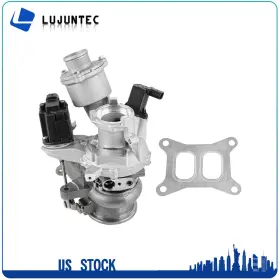
( Brand: Lujuntec ), ( Manufacturer Part Number: LJ155495T01 ), ( Type: Turbocharger ), ( Items Included: Gasket ), ( Oe/oem Part Number: 06k145701t, 06k145721q, 06k145701s, 06k145721g ), ( California Prop 65 Warning: Yes ), ( Fitment Type: Direct Replacement ), ( Engine: L4 1.8l ), ( Manufacturer Warranty: 1 Year ), ( Ipn: 06k145701n ), ( Engine Type: Turbocharged )
Review LUJUNTEC Turbocharger Fits Audi 1.8l 2.0l fits A1 A3 2015–2021
The Lujtek LJ155495T01 turbocharger is a high-performance upgrade for select Audi models, specifically the A1 with a 1.8L engine from the years 2016 to 2018, and the A3 with a 2.0L engine from the years 2013 to 2020. This turbocharger is designed to deliver increased power and torque, enhancing the driving experience for these vehicles.
The Lujtek turbocharger boasts a compact size, ensuring a perfect fit within the engine bay, and a durable construction to withstand the rigors of high-performance use. The compressor wheel is made of high-strength, aerospace-grade aluminum alloy, which provides excellent heat resistance and durability. The turbine wheel is made of high-temperature, heat-resistant steel, ensuring optimal performance under extreme conditions.
The LJ155495T01 turbocharger features a ball-bearing design, which provides a smoother and more efficient operation compared to traditional journal-bearing turbochargers. This results in reduced friction, less heat generation, and longer component life. Additionally, the turbocharger comes with a high-performance wastegate, which allows for precise boost control and improved throttle response.
The Lujtek LJ155495T01 turbocharger is engineered to deliver significant power gains, with peak boost pressure reaching up to 22 psi. This results in an estimated increase in horsepower of around 30-40 horsepower and a corresponding increase in torque. These power gains translate to improved acceleration, more responsive engine performance, and a more exhilarating driving experience.
The turbocharger comes with all necessary hardware and installation instructions, making the installation process as straightforward as possible. Additionally, Lujtek provides comprehensive technical support throughout the installation and tuning process to ensure a successful and trouble-free installation.
In summary, the Lujtek LJ155495T01 turbocharger is a high-performance upgrade for select Audi models, delivering increased power and torque through its durable and efficient design. Its compact size, use of high-strength materials, and ball-bearing design ensure optimal performance and longevity, while its comprehensive installation support ensures a hassle-free installation process.
Pros and Cons of buying a Lujtek LJ155495T01 Turbocharger for Audi A1 (1.8L, 2016-2018) and Audi A3 (2.0L, 2013-2020)
Introduction:The Lujtek LJ155495T01 turbocharger is an aftermarket option for enhancing the performance of Audi A1 (1.8L, 2016-2018) and Audi A3 (2.0L, 2013-2020) vehicles. Installing this turbocharger can lead to increased horsepower, torque, and overall driving experience. However, like any significant modification, it comes with its advantages and disadvantages. In this article, we will discuss the pros and cons of buying and installing the Lujtek LJ155495T01 turbocharger.
Pros:1. Increased Performance: The primary benefit of installing a Lujtek LJ155495T01 turbocharger is the significant improvement in performance. This turbocharger can help your engine produce more horsepower and torque, resulting in better acceleration and overall driving experience.
2. Improved Fuel Economy: A turbocharger compresses air and forces it into the engine's cylinders, allowing the engine to burn fuel more efficiently. This results in improved fuel economy, which can save you money in the long run.
3. Enhanced Driving Experience: With increased horsepower and torque comes a more exhilarating driving experience. A turbocharged engine provides a more responsive and powerful driving experience, making your daily commute or weekend drive more enjoyable.
4. Customization: Installing a turbocharger is a way to personalize your vehicle and set it apart from others. It is an appealing modification for car enthusiasts and those who want to improve their vehicle's performance.
Cons:1. Cost: The Lujtek LJ155495T01 turbocharger can be a costly modification. The turbocharger itself, as well as the installation costs, can add up to a significant investment.
2. Complex Installation: Installing a turbocharger is a complex process that requires specialized knowledge and tools. It is recommended to have the installation performed by a professional to ensure proper fitment and functionality.
3. Increased Wear and Tear: A turbocharger puts additional stress on the engine and its components, leading to increased wear and tear. Regular maintenance and upkeep are essential to ensure the longevity of the turbocharger and the engine.
4. Potential Risks: Installing a turbocharger can pose potential risks, such as engine damage or failure if not installed correctly. Proper research, installation by a professional, and regular maintenance are crucial to mitigate these risks.
Conclusion:The Lujtek LJ155495T01 turbocharger offers numerous benefits, including increased performance, improved fuel economy, enhanced driving experience, and customization. However, these advantages come with disadvantages, such as cost, complex installation, increased wear and tear, and potential risks. Ultimately, the decision to install a turbocharger depends on your personal preferences, budget, and driving habits. If you are willing to invest in the modification and are prepared for the additional responsibilities, the Lujtek LJ155495T01 turbocharger can provide a rewarding driving experience.
Recommendation:Before purchasing and installing the Lujtek LJ155495T01 turbocharger, it is essential to do thorough research and consult with a professional mechanic or turbocharger specialist. They can provide valuable insight into the specific requirements and potential challenges of installing this modification on your Audi A1 (1.8L, 2016-2018) or Audi A3 (2.0L, 2013-2020) vehicle. Additionally, ensure that you have a reliable source for the turbocharger and that it comes with a warranty to protect your investment.
Details:
If foreign objects end up in the compressor, its due to air filter. From there, you can restart your vehicle. Damaged Seals. Whether its a sudden problem out of nowhere or prolonged issue transitioning into bigger one, it can become stressful and expensive ordeal.
Secondly, start to remove the old turbocharger by locating exhaust pipe, removing bolts, and detaching piping. Before removing the turbo, let engine run at its functional temperature. Top it off if needed. Once everything has been adequately checked, you re nearly done.
Wear and Tear. This is especially true when it comes to replacing a non-functional turbocharger. Don't forget: filter replacements and correct engine oil matter. Let Turbo Run to Functional Temperatures.
Detach Exhaust Manifold. When installing a turbocharger, its life expectancy matches the vehicle itself roughly 150,000 miles or more. New List Item. However, foreign contaminants such as dirt, dust, and small debris do enter the turbo.
Oppositely, it can result from things entering the turbine, resulting in further issues. When you start your engine and run the turbo, don't immediately rev it. Replace Oil Feed Pipe and Flush. Install New Turbocharger.
Steps for Turbo Replacements. If the compressor and engine seals become worn or cracked, exhaust system will experience leaks, quickly deteriorating turbocharger. The compressor and turbine are the fundamental components of a turbocharger. So, heres a quick guide for identifying failed turbo and steps how to replace broken turbocharger kit.
Having seals will prevent leaks and corrosion inside your turbocharger engine. When you introduce the new turbocharger, its vital that replace oil feed line, copper washes, and banjo bolts. About Shipping Try not to get overwhelmed by them.
After removing the old oil and filter, install a new filter add. As such, it reduces the efficiency and boosts delivery by turbocharger. Since engine oil makes your car function correctly, it needs to stay clean and get replaced over time. After removing the old turbocharger, next step is to separate it from exhaust manifold.
However, turbochargers may wear out sooner depending on how hard you are your car and the quality of turbo. It results in abrasive damage inside the turbo. Oil and Lubrication. Wait a few moments before checking the oil level.
Because of the oils low viscosity, you'll have a better chance removing as much it possible. This is the time to check for oil leaks or dripping. It usually occurs in either the turbine inlet or compressor, getting caught air filter before reaching too far into housing. Final Checks.
Instead, allow for your car to run 10 seconds, then shut it off. Everything must remain clean before the new turbocharger installation. Ensure that your filter gets replaced regularly to prevent rogue debris. How To Replace a Broken Turbocharger Kit Identify Failed Turbo If theres one thing that frustrates driver, its their car acting up unexpectedly.
Don't rev your engine, but let it stay idle so that can reach running temperatures. Once your remove everything, make sure to correctly install the new turbocharger, linking all necessary parts back together. Reconnect it to the exhaust manifold with correct nuts and bolts tighten correctly. Because of wear and cracks forming, it causes the turbo to work harder release air pressure.
Squeeze some engine oil into the turbo bay for lubrication, then ensure that return pipe is clean. Unexpected repairs are a part of life. Ensure proper inter cooler removal and cleaning to remove any oil by flushing it with an decrease. Turbocharger Fits Audi A1 1.8L 2016 2018 A3 2.0L 2013 2020 TT How To Replace a Broken Kit.
Remove Old Filters and Turbo. It helps lubricate key moving parts, cools them cool while in use, and protects the engine from corrosion. Compressed air, fuel, and power result in a satisfying boost your engine. Don't forget to remove the oil feed pipe.
After emptying the oil, remove oil filter and discard it. You unscrew the nuts and bolts holding it together, then lift turbo through top or below engine compartment. Then, reattach the turbo inter cooler, air intake, and exhaust down pipe.
specifications turbiparts:
- for models: A1, A3
- for makes: Audi
- for years: 2015-2021
- brand: Lujuntec
- mpn: Lj155495t01
- type: Turbocharger
- items included: Gasket
- oe/oem part number: 06k145701t, 06k145721q, 06k145701s, 06k145721g
- california prop 65 warning: Yes
- fitment type: Direct Replacement
- engine: L4 1.8l
- manufacturer warranty: 1 Year
- ipn: 06k145701n
- engine type: Turbocharged
general turbiparts:
- Air Fuel Delivery > Turbos, Superchargers Intercoolers > Turbos Parts
- condition: New
seller turbiparts:
- # reviews: 17153
- city: Ontario, California
- rating: 99.1%
shipping turbiparts:
- cost: $0.00
- transit: 4-9 Days
- service: FedEx Ground Economy
- carrier: FedEx
- class: Economy
- type: Fixed
offer turbiparts:
- started: December 22, 2025
- sold: 0
- options: Ship-to-home
- quantity: 5
- best offers: True
- availability: In Stock
returns turbiparts:
- paid by: Seller
- policy: Returns Accepted
- time: 30 Days
payments turbiparts:
- other
- credit card: Mastercard
- wallet: Google-pay
Lujuntec LJ155495T01 Is Similar To:
- Lujuntec Lj176548t01 Turbo Turbocharger For 1995-2008 Cummins Truck Elite With 6bt Engine 2802770 (46.9% similar) Damaged seals. It usually occurs in either the turbine inlet or compressor, getting caught air filter before reaching too far into housing. Don't forget to remove the oil feed pipe. Once everything has been adequately checked, you re nearly done. Because of wear and cracks forming, it...(January 2nd, 2025)
- Lujuntec Ljt826940p01 For 1998-13 Caterpillar Industrial Truck Various C15 Acert Twin Turbocharger (30% similar) Don't forget to remove the oil feed pipe. Then, reattach the turbo inter cooler, air intake, and exhaust down pipe. When you introduce the new turbocharger, its vital that replace oil feed line, copper washes, and banjo bolts. It helps lubricate key moving parts, cools them cool while in use, and...(July 3rd, 2025)
- Lujuntec 12709700191 New Turbocharger For Maxxforce 13 Navistar B2xg Twin Turbo High Pressure (42.3% similar) When you start your engine and run the turbo, don't immediately rev it. Wait a few moments before checking the oil level. Our return process is simple and fast. Compressed air, fuel, and power result in a satisfying boost your engine. About shipping if the compressor and engine seals...(July 3rd, 2025)
