GDCAR GDCAR103022S123 Turbocharger Internal Wastegate T3 T04E .63 A/r
fits model: Turbo, 420. year: 1973.
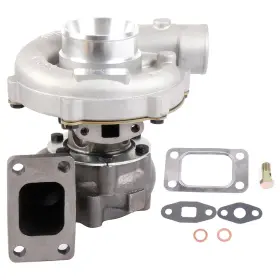
( Brand: Gdcar ), ( Manufacturer Part Number: GDCAR103022S123 ), ( Type: Turbocharger ), ( Placement On Vehicle: Front ), ( Oe/oem Part Number: T04e .63 A/r ), ( Weight: 14 Lb ), ( Manufacturer Warranty: 1 Year ), ( Universal Fitment: Yes ), ( Ipn: T04e .63 )
Review GDCAR V band Turbocharger T3 .63 A/r Trim Internal Wastegate Hp fits TURBO 420 1973
The gdcar gdcar103022s123 V-band Turbo is a high-performance turbocharger specifically designed for applications requiring a T3 or T04E compressor housing with a 63mm compressor inlet and a 73mm turbine outlet. This turbocharger is suitable for engines producing approximately 420 horsepower.
The gdcar gdcar103022s123 V-band Turbo is engineered with a forged steel compressor wheel and a high-strength, high-performance turbine wheel. The compressor wheel is designed with 10 blades that ensure efficient air intake and excellent flow characteristics, while the turbine wheel, with 12 turbine blades, delivers superior thrust and power.
The internal wastegate system integrated into this turbocharger guarantees precise boost control, allowing for optimal engine performance. This wastegate design features a 42mm actuator, enabling smooth and responsive wastegate control. Furthermore, the wastegate is adjustable through the use of a wastegate arm and spring, providing the flexibility to fine-tune the boost pressure to meet the specific requirements of your engine setup.
The gdcar gdcar103022s123 V-band Turbo is equipped with a V-band clamp exhaust outlet, providing a secure and reliable connection to the exhaust system. The clamp design allows for easy installation and removal, making this turbocharger an excellent choice for both professional race teams and DIY enthusiasts.
This turbocharger is designed to operate efficiently with a T3 or T04E compressor housing, making it an ideal option for high-performance applications where maximum power and responsiveness are essential. The gdcar gdcar103022s123 V-band Turbo is a reliable and powerful component that will help propel your engine to new heights of performance.
Buying a GDCar GDCAR103022S123 V-band Turbo T3/T04E 63 AR 73 Internal Wastegate with a maximum output of 420 hp can be an exciting decision for car enthusiasts looking to boost their engine's performance. Here are some potential pros and cons that may help in your purchasing decision.
Pros:1. Increased power: The primary reason for purchasing a turbocharger is to increase horsepower and torque, resulting in better acceleration and overall engine performance.
2. Improved driving experience: A more powerful engine leads to a more enjoyable driving experience, especially for those who enjoy pushing their vehicles to the limit.
3. Fuel efficiency: Though not always the case, some turbochargers can improve fuel efficiency by allowing the engine to run at lower RPMs during cruising while still maintaining good power output.
4. Customizability: A turbocharger opens up a world of customization possibilities, allowing car enthusiasts to fine-tune their engine and achieve specific power output levels.
Cons:1. Complexity: Turbochargers add complexity to the engine system, which can lead to additional maintenance requirements and potential issues down the line.
2. Cost: Turbochargers can be expensive to purchase and install, especially when considering the cost of any necessary modifications to the engine or exhaust system.
3. Performance trade-offs: While a turbocharger can provide increased power, it may also result in trade-offs such as decreased top-end speed or increased lag during acceleration.
4. Safety concerns: Installing a turbocharger can increase the risk of engine damage if not done correctly or if the vehicle is not properly prepared for the increased power output.
Ending Conclusion:A GDCar GDCAR103022S123 V-band Turbo T3/T04E 63 AR 73 Internal Wastegate with a maximum output of 420 hp can provide significant power gains and an enhanced driving experience. However, it comes with added complexity, potential safety concerns, and a higher cost compared to a stock engine. Before making a purchase, carefully consider your budget, maintenance capabilities, and driving goals to determine if a turbocharger is the right choice for you.
Recommendation:If you're serious about purchasing a turbocharger, I would recommend doing thorough research on the specific product, as well as consulting with a professional mechanic or a knowledgeable car enthusiast to ensure that your vehicle is properly prepared for the additional power output. Additionally, consider the cost of installation and ongoing maintenance to ensure that you're making a financially sound decision.
Details:
If you do not have the experience, proper tools or manuals, please seek services of a qualified technician. Don't Overstep the Limits of Turbo when Cruising. Check for proper crankcase oil level. Start the engine and let it idle for 5-10 minutes.
Whether you re driving up a long hill, overtaking on an A road or accelerating into the fast lane motorway, downshifting lower gear is safer long-term option than relying purely Turbocharger. When cruising around town or on the motorway, try not to jab accelerator. Inspect the oil supply and drain lines for degradation cracking. After driving, get in the habit of leaving engine running for a couple minutes at idle, which will cool Turbo enough to switch off without cooking oil.
Regular Oil Maintenance. Fast shipping:All our packages use USPS First Class/UPS/FedEx. With the fuel shut off to prevent engine start, crank for 10-15 seconds, or until gauge shows an oil pressure build up. Objects left in these areas can severely damage the Turbocharger immediately on engine startup.
6 Ways to Protect Your Turbo Engine. Always, use new gaskets and O-rings where applicable. Carefully inspect the air cleaner, cleaner duct, and exhaust manifold for any foreign material. Turbos produce a lot of heat while driving, and if you turn off the engine straight away, this residual will boil oil in Turbo system, leading to build-up carbon particles that can cause corrosion premature wear.
Pre-lube the Turbocharger by pouring clean engine oil into inlet hole of Turbo. With your fingers, spin the compressor wheel several times to coat Turbocharger bearings with oil. Connect the oil supply line and air cleaner duct. You can reduce this risk by following the advice in point five leaving engine to cool before switching off ignition.
Don't Blip the Throttle Before Turning Engine Off. New List Item. For the best performance from a Turbocharger, change oil at least every 5,000 miles. Do not connect the oil supply line or air cleaner duct yet, see later steps.
Whether you re parking or simply want to hear the whizz of Turbo charger, don't blip throttle right before turning ignition off. Remove old gaskets and left-over material from the exhaust manifold, oil supply line drain flanges. There may be some drainage, but this is of no concern. And remember not only will gentle cruising spare your Turbo, it ll give you great fuel economy, too.
Pour more oil into the inlet hole to top it off. Check the installation for any oil leaks. While Turbos are rigorously stress-tested, and should last the lifetime of engine, regular bouts aggressive driving could take their toll, cause costly issues. This puts strain on the bearings, causing friction and a build-up of heat which can lead to failure in Turbo system.
Let the Engine Cool After Driving. Do not rev the engine during this time. Use Your Gears to Overtake. Inspect these surfaces for cracks, flatness, or erosion.
Warm Up the Engine. Pressing the accelerator causes rotating turbines in Turbo to spin; when engine is switched off, flow of oil lubricating these moving parts will stop, but won't stop spinning. Instead, ease the power on slowly to give Turbo a chance start spinning freely, and use accelerator sparingly maintain your speed. Install the Turbocharger, taking care to ensure that no dirt or foreign material enters Turbocharger openings.
specifications turbiparts:
- for models: Turbo, 420
- for years: 1973
- brand: Gdcar
- mpn: Gdcar103022s123
- type: Turbocharger
- placement on vehicle: Front
- oe/oem part number: T04e .63 A/r
- weight: 14 Lb
- manufacturer warranty: 1 Year
- universal fitment: Yes
- ipn: T04e .63
general turbiparts:
- Air Fuel Delivery > Turbos, Superchargers Intercoolers > Turbos Parts
- condition: New
offer turbiparts:
- availability: In Stock
- best offers: True
- started: May 2, 2025
- sold: 0
- quantity: 10
- options: Ship-to-home
shipping turbiparts:
- cost: $0.00
- class: Economy
- type: Fixed
- carrier: FedEx
- service: FedEx Ground Economy
- transit: 4-7 Days
seller turbiparts:
- city: Ontario, California
- rating: 99.1%
- # reviews: 11331
payments turbiparts:
- credit card: Visa
- wallet: Apple-pay
- other
returns turbiparts:
- time: 30 Days
- policy: Returns Accepted
- paid by: Seller
Gdcar T04E Is Similar To:
- Gdcar Gdcar106946s123 New Turbocharger For Toyota 4runner 2.4l 1990-1995 17201-54060 (45.3% similar) Don't blip the throttle before turning engine off. Inspect the oil supply and drain lines for degradation cracking. 6 ways to protect your turbo engine. Remove old gaskets and left-over material from the exhaust manifold, oil supply line drain flanges. With the fuel shut off to prevent...(December 31st, 2024)
- Gdcar Gdcar160948s123 New Turbocharger Cartridge For Dodge Sprinter 2500 2.7l Diesel 2003-2006 (46.1% similar) And remember not only will gentle cruising spare your turbo, it ll give you great fuel economy, too. Use your gears to overtake. Don't overstep the limits of turbo when cruising. If you do not have the experience, proper tools or manuals, please seek services of a qualified technician...(February 11th, 2025)
- Gdcar Gdcar161065s123 New Turbocharger For Ford F-250 F-350 7.3l 1994 1995 1996 466163-0011 (41.5% similar) When cruising around town or on the motorway, try not to jab accelerator. Pressing the accelerator causes rotating turbines in turbo to spin; when engine is switched off, flow of oil lubricating these moving parts will stop, but won't stop spinning. If you do not have the experience, proper...(April 10th, 2025)
- Gdcar Gdc160897 Turbo Intercooler For 02-06 Mini Cooper 16.5 Inch X10 X2.56 Tube fin 1.89 Od (30.7% similar) INLET/OUTLET:1.89 OD/1.89 od. Built to strict quality control standards. Core SIZE:11.8 X9.13 X2.44. Overall SIZE:16.5 X10 X2.56. New list item. This listing is only for the inter cooler. Fast shipping: all our packages use USPS first class/ups/FedEx...(September 2nd, 2025)
- Gdcar Gdcar160926s123 New Turbocharger Cartridge For Mercedes-benz E320 3.0l 2007-2009 764809-5001 (43.1% similar) With the fuel shut off to prevent engine start, crank for 10-15 seconds, or until gauge shows an oil pressure build up. Carefully inspect the air cleaner, cleaner duct, and exhaust manifold for any foreign material. Fast shipping: all our packages use USPS first class/ups/FedEx. Instead, ease...(January 29th, 2026)
