HINO 241004320C Turbocharger J08E
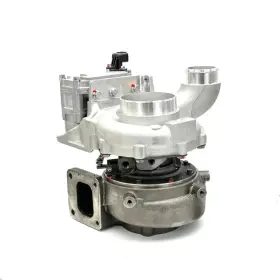
( Brand: Hino ), ( Manufacturer Part Number: 241004320C ), ( Type: Turbocharger ), ( Country Of Origin: United States )
Review HINO Genuine Turbocharger For
Introducing the Hino 241004320C Turbocharger J08E, a high-performance component designed for Hino diesel engines. This turbocharger is specifically engineered to enhance the engine's power output and improve overall fuel efficiency.
The Hino 241004320C Turbocharger J08E is a single-stage turbocharger, meaning it uses a single impeller and turbine wheel. It is constructed with durable materials, including high-strength steel and advanced alloys, ensuring long-lasting performance in even the most demanding operating conditions.
This turbocharger features a ball-bearing design, which minimizes friction and reduces wear on the components. The ball bearings also provide excellent stability, ensuring consistent turbocharger performance and reducing the risk of failure.
The compressor housing of the Hino 241004320C Turbocharger J08E is designed to maximize airflow, which increases the amount of air that can be forced into the engine cylinders. The result is improved combustion efficiency and increased power output.
The turbine housing is designed to optimize exhaust gas flow, which enhances the turbocharger's efficiency and improves overall engine performance. The turbine housing is also equipped with a wastegate, which helps regulate boost pressure and prevent engine damage caused by excessive boost.
The Hino 241004320C Turbocharger J08E is designed to fit seamlessly into Hino diesel engines, ensuring a perfect fit and easy installation. It is also backed by a reliable warranty, giving you peace of mind and confidence in your purchase.
In summary, the Hino 241004320C Turbocharger J08E is a high-performance component that offers increased power output, improved fuel efficiency, and durability for Hino diesel engines. Its advanced design, reliable construction, and easy installation make it an excellent choice for those seeking to enhance the performance of their Hino engine.
Buying a Hino 241004320C turbocharger J08E comes with several pros and cons that every potential buyer should consider before making a purchase. Let's examine each one:
Pros:1. Improved Engine Performance: A turbocharger increases the amount of air that enters the engine, leading to better combustion and increased horsepower. This can result in better fuel economy and overall improved engine performance.
2. Reduced Emissions: Turbochargers can help reduce exhaust emissions by increasing the efficiency of the combustion process. This can be beneficial for the environment and may help meet emissions regulations.
3. Cost-Effective: In the long run, a turbocharger can be a cost-effective solution for increasing engine performance. While the initial cost may be higher than a non-turbocharged engine, the fuel savings and increased power can offset the cost over time.
Cons:1. Complexity: Turbochargers are more complex than non-turbocharged engines. This means that there are more parts that can fail and require maintenance.
2. Installation Costs: Installing a turbocharger can be a complex and time-consuming process. It may require specialized tools and knowledge, which can add to the overall cost of the installation.
3. Performance Issues: Turbochargers can sometimes experience performance issues, such as lag or turbocharger surge. These issues can be frustrating for drivers and may require additional maintenance or modifications to the engine.
Ending Conclusion:The Hino 241004320C turbocharger J08E offers several advantages, including improved engine performance, reduced emissions, and cost-effectiveness in the long run. However, it also comes with some disadvantages, such as complexity, installation costs, and potential performance issues. Ultimately, the decision to buy a Hino 241004320C turbocharger J08E depends on the individual's specific needs and budget.
Recommendation:If you are looking for improved engine performance and are willing to invest in the initial cost and ongoing maintenance, then a Hino 241004320C turbocharger J08E may be a good investment. However, if you are on a tight budget or are uncertain about your ability to maintain a complex engine, then you may want to consider other options. It's always a good idea to consult with a professional mechanic or engine specialist before making a final decision.
Details:
The car feels sluggish, especially during acceleration. Oil Leaks or High Consumption. A smaller, lighter turbo engine can replace a larger engine, improving vehicle balance and handling while saving space. Excessive Exhaust Smoke.
Boost Pressure Problems. Poor Fuel Economy. The most obvious sign. A turbocharger uses exhaust gases which would normally be wasted to spin a turbine, which drives compressor.
Increase Engine Power. A healthy turbo usually has a smooth whoosh or gentle whistle, not loud screech. Unusual Noises. Check for oil residue in the turbo housing or around inter cooler pipes.
Loss of Power. Reduce Emissions. The engine control unit ECU may detect low boost pressure, airflow problems, or sensor errors and trigger a warning light. White smoke: could indicate coolant leakage or severe internal damage.
Black smoke: too much fuel and not enough air turbo providing boost. Check Engine Light CEL. Signs of a Bad Turbocharger 241004320C. Part Number: 241004320C, condition: New, Manufacture/Brand: Hino, Fits 241004320C For, 12V Turbocharger for Hino 268 with J08E 1998 -2007, Ranger Truck 2004, Nissan UD 2000 Purpose of using 241004320C: 1.
A turbocharger 241004320C often just called a turbo is device used to boost the power and efficiency of an internal combustion engine. If the turbo isn compressing air properly, combustion becomes less efficient, and engine uses more fuel. Example: A 2.0L turbocharged engine can perform like a 3.0L naturally aspirated. Optimize Engine Size and Weight.
Since the turbo uses exhaust gases waste energy to create boost, it makes engine more efficient.Manufacturers can use smaller engines that still produce same power as larger ones, reducing fuel consumption. A failing turbo can leak oil into the intake or exhaust system. Better combustion means less sunburned fuel and cleaner exhaust gases.Some modern turbo engines also work well with hybrid systems to further reduce CO emissions. Improve Fuel Efficiency.
The compressor pushes more air into the engines cylinders, allowing it to burn fuel and produce power without increasing engine size. A turbocharger forces more air into the engines cylinders.More oxygen allows fuel to burn power output. Blue or gray smoke: often means oil is leaking into the exhaust due to worn turbo seals. Whining, siren-like, or grinding sounds when accelerating caused by worn damaged bearings turbine blades.
part #: 241004320c prices
- $75.00-$419.00
specifications turbiparts:
- brand: Hino
- mpn: 241004320c
- type: Turbocharger
- country of origin: United States
general turbiparts:
- Air Fuel Delivery > Turbos, Superchargers Intercoolers > Turbos Parts
- condition: New
seller turbiparts:
- city: Lyman, South Carolina
- rating: 100.0%
- # reviews: 76
offer turbiparts:
- options: Ship-to-home
- quantity: 1
- sold: 0
- started: November 12, 2025
- availability: In Stock
- best offers: True
shipping turbiparts:
- class: Standard, One-day
- type: Calculated
- transit: 3-9 Days
- carrier: UPS
- service: UPS Ground, UPS Next Day Air Saver, UPS Next Day Air
- cost: $0.00
returns turbiparts:
- paid by: Seller
- policy: Returns Accepted
- time: 30 Days
payments turbiparts:
- wallet: Google-pay
- credit card: Mastercard
- other
Hino 241004320C Is Similar To:
- Ihi 170-423-0148 Rhc9 Turbocharger Reman Hino Ek100 And Ek130 Generac 13.3l (43.3% similar) Has very low hours. Great mechanical condition. Spins free/like new...(May 26th, 2024)
- Hino 726997-10 Turbocharger Gt4082klnv Super Core Used (54.5% similar) Turbocharger...(July 7th, 2024)
- Oe Quality 768440 Turbo Charger For Hino Bus Truck Nissan Ud 7.9l 2006-2010 17201 (30.2% similar) Bra,ar,per buyer leave us your cpd#,cubit#,ruck# correspondingly. For bra,ar,per buyers, please leave us your cpd#, cubit# or ruck# correspondingly. Boxes, APO/FPO or military mail boxes. OE part numbers. Fits for the following. Product view details. Gk/wt buyer please notice us your...(July 29th, 2024)
- Garrett Gta3576klnv 766886-17 Turbocharger Hino Truck Nissan Ud Oem Genuine Turbo (31.7% similar) It is a reliable and durable part that will keep your truck running smoothly for miles to come. The turbocharger is designed to boost the performance of your engine and ensure optimal air fuel delivery. It comes with a six-month warranty and is compatible various part numbers, including 766886...(September 3rd, 2024)
- Garrett Gta4082klnv 768440 Electronic Actuator 17201-e0351 Hino 268 Nissan Ud 2000 Truck Genuine Gta4082v Turbo (29.5% similar) The FTC team. Assembly balanced: yes. Oil leakage test: yes. Turbo OE number: 17201-E0351, 7201-E0352, 17201-E0353, 17201E0351, 17201E0352, 17201E0353, 17201E0353A, 17201-E0350, 768440-2, turbo part number, ,, 768440,, 17201-E0350, 768440-2, B0397-005...(November 14th, 2024)
- E-home-01 Gf950156 Rhg8v Nh950198 K6t51174 Turbo Solenoid Actuator For Hino Truck Sh1e Fr1e Ezr (22.9% similar) Shipping time. Package included. Due to the light and screen difference, items color may be slightly different from pictures. 1x 24V electric actuator. This actuator works under 24 volt electric system, which is the basic standard of japan. I will always be here for you. RHG8V NH950198...(December 18th, 2024)
- Kinugawa 405-99013-501 Billet Turbocharger Compressor Wheel Garrett Gt3576 Hino Isuzu 434292-0007 (31% similar) It replaces Garrett wheel this is a billet kangas wheel for the GT3576 turbo. It is good up to 70 psi of boost. Direct fit for the GT3576 wheel...(February 13th, 2025)
- Asdpi 830724-5002s Gtb3576klnrv Turbine Shaft Wheel For Hino Truck Ranger Jo8e 7.7l (40.6% similar) OE/oem part number: 830724, 775806,,,,,, James bond smoke: you were doing some grinding or porting near the motor with turbo removed. These two gaps combined allow the compressor wheel tip to move side in what may look like an alarming amount. Also a plugged up...(March 25th, 2025)
- Katoturbo 779144-5023s Gt2263klnv Turbocharger Hino Fc Truck Dutro 4.0l N04c S05c Engine 779144-0023 (34.5% similar) All turbocharger cores come with no warranty. Turbo model: GT2263KLNV. 41.59MM, ex. They are sold as is unless stated otherwise. All used turbochargers come with no warranty. 63.04MM, 7 blades, super back, turbine housing a/r: Rae, wheel: ind. Engine manufacturer: Hino...(April 2nd, 2025)
- Hino 726997-9013 Genuine Turbo Turbocharger Garret J08e (68% similar) Turbocharger with actuator assay GT3574KV for J05 4.6L condition: new brand: Hino by Garrett part number...(October 29th, 2025)
- Uritue 766687-5014s New Turbo Turbocharger For Hino Ranger Ud 1300 1400 J05d-tc 4.6l 766687-5014 (28.4% similar) New turbo turbocharger for Hino ranger ID 1300 1400 J05D-TC 4.6L GT3571KLNV turbocharger. 1 year warranty. For 2004 -07 Hino ranger truck with J05D-TC 4.6L diesel engine. Good manufacturing technology ensures optimum operation. Made from high-quality materials for ultimate durability...(October 31st, 2025)
