Turbocharger Kit Pressure B3RS
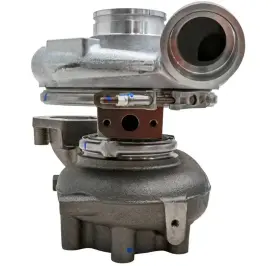
( Brand: International ), ( Manufacturer Part Number: 1387-001-1003 ), ( Part Type: Pressure ), ( Country Of Origin: United States )
Review INTERNATIONAL Internationalgenuine Turbocharger Kit Low Pressure
The International 1387-001-1003 Turbocharger Kit is an engine performance upgrade designed specifically for heavy-duty diesel applications. This high-performance turbocharger system is engineered to deliver increased horsepower, torque, and overall engine efficiency.
This turbocharger kit comes with a B3 type wastegate, which is an essential component of the turbocharging system. The wastegate helps regulate the exhaust pressure, ensuring smooth and consistent boost, and preventing excessive backpressure within the exhaust system.
The compressor wheel of this turbocharger is meticulously crafted from high-quality materials, ensuring superior air compression for optimal engine performance. Its advanced design also allows for quick response times, ensuring that the engine receives the air it needs as soon as possible for maximum power output.
The turbine wheel is equally impressive, with its intricate design and robust construction enabling it to handle the high exhaust gas temperatures and pressures that are common in heavy-duty diesel engines. The result is a more efficient combustion process and increased power output.
The International 1387-001-1003 Turbocharger Kit also includes various mounting brackets and other necessary hardware to ensure a seamless installation process. The kit is designed to fit specific engine applications, ensuring a precise fit and optimal performance.
Overall, this turbocharger kit is an excellent choice for those looking to maximize the performance of their heavy-duty diesel engine. With its high-quality components, advanced design, and easy installation process, this kit is sure to provide significant power gains and improved engine efficiency.
Pros and Cons of Buying an International 1387-001-1003 Turbocharger Kit: A Detailed Analysis
Introduction:The International 1387-001-1003 turbocharger kit is a popular aftermarket upgrade for diesel engines. Turbochargers help increase engine performance by forcing more air into the engine, resulting in increased horsepower and torque. In this analysis, we will discuss the advantages and disadvantages of investing in this particular turbocharger kit.
Pros:1. Increased Power: The primary benefit of installing a turbocharger is the significant increase in power output. With the International 1387-001-1003 turbocharger kit, you can expect a notable improvement in horsepower and torque, leading to better acceleration and overall performance.
2. Improved Fuel Economy: Although not always the case, a properly tuned turbocharged engine can result in improved fuel economy due to the more efficient combustion process.
3. Enhanced Driveability: A turbocharger provides more power across the entire RPM range, making your vehicle more responsive and providing smoother acceleration.
4. Better Towing Capability: The increased power output of a turbocharged engine makes it an excellent choice for those who frequently tow heavy loads.
5. Customizability: Turbocharger kits can be customized to suit various engine sizes and requirements, ensuring that you get the perfect setup for your specific vehicle.
Cons:1. Complex Installation: Installing a turbocharger kit can be a complex process that requires professional expertise and specialized tools. It may also involve additional modifications to your engine or exhaust system.
2. Higher Costs: Turbocharger kits can be expensive, especially when considering the cost of installation and any additional modifications required.
3. Maintenance: Turbochargers require regular maintenance to ensure optimal performance and longevity. This includes routine oil changes, filter replacements, and checking for leaks.
4. Potential for Engine Damage: If not properly installed or maintained, a turbocharger can cause damage to your engine due to the increased stress and heat generated.
5. Noise and Vibration: Turbochargers can produce more noise and vibration than a naturally aspirated engine, which may not be desirable for some users.
Conclusion:The International 1387-001-1003 turbocharger kit offers several benefits, including increased power, improved fuel economy, enhanced driveability, and better towing capability. However, it also comes with potential drawbacks such as complex installation, higher costs, maintenance requirements, potential engine damage, and increased noise and vibration.
Recommendation:If you are considering purchasing the International 1387-001-1003 turbocharger kit, it is essential to weigh the pros and cons carefully and carefully consider your vehicle's specific requirements and capabilities. It is also highly recommended to consult with a professional mechanic to ensure proper installation and maintenance of the turbocharger kit. Ultimately, if the benefits outweigh the drawbacks for your particular application, the turbocharger kit may be an excellent investment for improved engine performance.
Details:
Often due to failed internal oil seals or restricted return lines. A turbo forces extra air and therefore more oxygen into the engine cylinders. Reduce Emissions. Signs of a Bad Turbocharger.
Excessive Shaft Play. Poor Fuel Economy. Can lead to oil loss and eventual turbo seizure. Even small play can quickly cause compressor wheel damage.
Downsizing with Power. If you remove the intake pipe and feel side-to-side or in-out movement of turbo shaft, its a clear sign worn bearings. Check Engine Light / Fault Codes. Without proper boost, the engine burns more fuel to produce same power.
The result is better fuel economy especially under load or during highway driving. Oil Leaks Around the Turbo. Black smoke: too much fuel and not enough air boost loss. A diagnostic scan can confirm whether its the turbo or related sensors.
Enhance High-Altitude Performance. More oxygen allows more fuel to burn, creating stronger combustion meaning horsepower and torque. Blue smoke: burning engine oil from a failed turbo seal. A turbo helps burn fuel more completely, which lowers smoke and carbon emissions.
In modern engines, turbocharging is paired with exhaust after-treatment systems like EGR and DPF for cleaner operation. Oil visible near the compressor housing, turbine, or inter cooler pipes. The vehicle feels sluggish or slow to accelerate. A high-pitched whine, siren sound, or grinding noise usually means: Worn damaged bearings, Compressor wheel contact with housing, or, Imbalanced shaft.
White smoke: oil leaking into the exhaust or compressor side and burning off. Excessive Boost or Over boost. Loss of Power. Whining, Whistling, or Grinding Noises.
Purpose of using: Excessive Exhaust Smoke. Common codes: Under boost, Over boost, or Turbo Actuator Fault. At high altitudes, air is thinner and engines lose power.
Because the turbo reuses exhaust energy to compress air, engine works more efficiently. Improve Fuel Efficiency. Manufacturers can use smaller engines that consume less fuel but still produce the same or more power as larger, non-turbo.: A turbocharger often just called a turbo is device that increases an engines power and efficiency by forcing more air into the combustion chambers.
A turbocharger compensates by forcing more air into the engine, maintaining consistent performance no matter elevation. A healthy turbo makes a smooth whistle when spooling up. Increase Engine Power. The engine may surge, hesitate, or throw over boost codes.
This is why a 12-liter turbocharged diesel can perform like much larger naturally aspirated engine. This reduces engine weight, improves efficiency, and saves costs.
part #: 13870011003 prices
- $349.99-$1665.00
specifications turbiparts:
- brand: International
- mpn: 1387-001-1003
- part type: Pressure
- country of origin: United States
payments turbiparts:
- credit card: Discover
- other
- wallet: Apple-pay
general turbiparts:
- Air Fuel Delivery > Turbos, Superchargers Intercoolers > Turbos Parts
- condition: New
seller turbiparts:
- rating: 99.5%
- city: Lyman, South Carolina
- # reviews: 410
offer turbiparts:
- options: Ship-to-home
- quantity: 1
- availability: In Stock
- sold: 0
- best offers: True
- started: February 18, 2026
returns turbiparts:
- time: 30 Days
- paid by: Seller
- policy: Returns Accepted
shipping turbiparts:
- type: Calculated
- cost: $0.00
- class: Expedited, Standard
- transit: 3-3 Days
- carrier: UPS
- service: UPS 2nd Day Air, UPS Ground
International 1387-001-1003 Is Similar To:
- Buyautoparts 40-30967r Turbo Turbocharger For International Navistar Maxxforce Dt466 177535 (27.3% similar) This turbocharger is manufactured and tested to the strictest OE car truck standards for unparalleled performance. Built for trouble-free ownership and 100% visually inspected quality tested, this turbocharger is backed by our satisfaction guarantee. Tested and approved: each part is run through...(May 27th, 2024)
- Buyautoparts 40-30714r Turbo Turbocharger For International All Models 1993-2005 (26.7% similar) Condition: refurbished. Premium parts: all parts are premium ISO/ts 16949 quality. WARRANTY:1 year. All bearings and seals are replaced, the exhaust compressor housings machine-cleaned inspected, then whole assembly is balanced bench-tested. Technical specifications...(July 7th, 2024)
- Borgwarner 479030 For International Navistar Dt466e Turbo Turbocharger Dac (41.7% similar) This turbocharger is manufactured and tested to the strictest OE car truck standards for unparalleled performance. Bargainers roots date back to the late 1800S, with larger Borg-Warner later bargainer corporation having been formed in 1928. Built for trouble-free ownership and 100% visually...(July 9th, 2024)
- Buyautoparts 40-30366r Turbo Turbocharger For Ford 6.0l Powerstroke And International Navistar Vt365 (36.5% similar) Part NUMBER:40-30366R. Premium parts: all parts are premium ISO/ts 16949 quality. Condition: refurbished. Built for trouble-free ownership and 100% visually inspected quality tested, this turbocharger is backed by our satisfaction guarantee. Tested and approved: each part is run through...(July 27th, 2024)
- Garrett 1822702c92 2000 International T444e 7.3 L Genuine Gtp38 Turbo Turbocharger (48.7% similar) 125,000 original miles mostly hwy. It came out of a 2001 ford F-350 XLT 6 speed used Garrett turbocharger for sale. Runs great and truck was meticulously kept driven easy...(August 3rd, 2024)
- International Navistar 6040647c1 Core Only Genuine Oem Turbocharger Actuator See Desc (58.1% similar) ...(August 6th, 2024)
- Buyautoparts 40-39095r For International Navistar T444e 7.3l Turbo Diesel Turbocharger (37.2% similar) Premium parts: all parts are premium ISO/ts 16949 quality. Backed by a one year, unlimited mileage warranty. Tested and approved: each part is run through rigorous testing before it leaves the factory. Condition: refurbished. Make sure you clean compressed air and carb cleaner works well...(August 11th, 2024)
- Buyautoparts 5010930r91 Navistar International Remanufactured Turbocharger (43.1% similar) We never want to mislead anyone with our. If something is not listed and/or shown in the photos, it included...(August 12th, 2024)
- Borgwarner 179032 S300v111 International Navistar Dt466 Genuine Turbo Turbocharger Rpg (46.2% similar) Part #: bargainer 179032 for sale...(August 20th, 2024)
- Buyautoparts 40-30325r For International Navistar Dt466 Turbo Diesel Vgt Turbocharger Replaces S300 Gap (39.3% similar) Technical specifications: part type:turbocharger. Premium parts: all parts are premium ISO/ts 16949 quality. Backed by a one year, unlimited mileage warranty. Part NUMBER:40-30325R. Condition: refurbished. Make sure you clean compressed air and carb cleaner works well or replace the oil...(August 20th, 2024)
- International D1006 2004 2005 2006 Vt365 6.0l Diesel Engine Turbocharger Oeturbo (53.3% similar) Call us anytime and let us arrange the details. English/Spanish, phone: 1.: machinery and truck parts...(August 27th, 2024)
