Turbocharger High Pressure B2XG
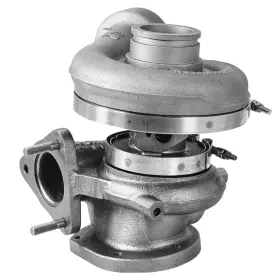
( Brand: International ), ( Manufacturer Part Number: 1270-001-1001 ), ( Type: Turbocharger ), ( Country Of Origin: United States )
Review INTERNATIONAL Internationalgenuine Turbocharger High Pressure
The International 1270-001-1001 turbocharger is a high-performance component designed to enhance the power output and fuel efficiency of diesel engines. This B2SG series turbocharger is a roots-type design, which means it utilizes a geometric shape resembling the interiors of a pine cone or a radish to increase the volume of air being forced into the engine. This results in more fuel being burned, leading to increased power and torque.
The turbocharger's compressor wheel is made of high-strength, lightweight material, such as aluminum or titanium, to ensure optimal efficiency and durability. The compressor housing is meticulously engineered to minimize turbulence and maximize airflow, ensuring a consistent and stable boost pressure.
The turbine wheel, which is driven by the exhaust gases exiting the engine, is also designed to maximize efficiency. The material and shape of the turbine wheel are carefully selected to optimize the transfer of energy from the exhaust gases to the compressor, resulting in quick spool-up times and consistent boost pressure.
The turbocharger's bearing system is designed to minimize friction and wear, ensuring long-lasting performance. The bearings are typically made of high-performance materials, such as ceramic or bronze, to reduce heat generation and provide a smooth, quiet operation.
The International 1270-001-1001 turbocharger also features a wastegate system to regulate boost pressure and prevent overboosting. The wastegate valve is actuated by a spring or a vacuum-operated diaphragm, allowing excess boost pressure to bypass the turbine and return to the atmosphere when necessary.
The turbocharger's exterior is typically coated with a protective finish to prevent corrosion and ensure a long service life. The finish may be a high-temperature ceramic coating or a more traditional paint job.
Overall, the International 1270-001-1001 turbocharger is a high-performance, durable component that can significantly enhance the power output and fuel efficiency of diesel engines. Its roots-type design, efficient compressor and turbine wheels, robust bearing system, and wastegate regulation make it a reliable and effective solution for boosting engine performance.
Pros and Cons of buying a 1270-001-1001 Turbocharger: A Detailed Analysis
The 1270-001-1001 turbocharger, manufactured by BorgWarner under the B2XG series, is a popular choice for those seeking to improve the performance of their engines. However, like any other significant investment, it's essential to weigh the potential benefits against the drawbacks before making a purchase. In this analysis, we'll delve into the pros and cons of buying a 1270-001-1001 turbocharger.
Pros:1. Enhanced Performance: The primary reason for investing in a turbocharger is to boost engine performance. This turbocharger, with its efficient design and robust construction, can significantly increase horsepower and torque, leading to improved acceleration and overall vehicle responsiveness.
2. Fuel Efficiency: By supplying more air to the engine, a turbocharger allows for more efficient combustion, leading to reduced fuel consumption and increased miles per gallon (mpg).
3. Reduced Emissions: With improved combustion efficiency comes a decrease in harmful emissions, making the turbocharger an eco-friendly upgrade for your vehicle.
4. Durability: The 1270-001-1001 turbocharger is known for its robust construction, which can withstand the rigors of high-performance driving. Its ability to handle increased boost pressure and maintain efficient performance makes it a smart investment for those seeking a reliable and long-lasting upgrade.
Cons:1. Complexity and Installation: Installing a turbocharger involves intricate engineering and precise tuning, which can be a complex and time-consuming process. It's recommended to have the installation performed by a professional to ensure proper functioning and to minimize the risk of damage to the vehicle.
2. Cost: A high-performance turbocharger like the 1270-001-1001 comes with a substantial price tag. The initial investment, coupled with the cost of installation and ongoing maintenance, can add up quickly.
3. Increased Wear and Tear: The added power and stress placed on the engine and drivetrain components can lead to increased wear and tear, potentially requiring more frequent maintenance or replacement of parts.
4. Potential for Engine Damage: If not properly installed or maintained, a turbocharger can cause engine damage due to excessive boost pressure or heat. It's crucial to ensure that the turbocharger is installed by a qualified professional and that regular maintenance checks are performed to minimize this risk.
In conclusion, the 1270-001-1001 turbocharger offers several benefits, including enhanced performance, fuel efficiency, reduced emissions, and durability. However, it also comes with potential drawbacks, such as complexity and installation costs, increased wear and tear on components, and the risk of engine damage if not properly installed and maintained.
To make an informed decision, consider your vehicle's specific requirements and your budget. If you're seeking significant performance improvements and are willing to invest in a reliable and long-lasting upgrade, the 1270-001-1001 turbocharger could be an excellent choice. However, if the cost and complexity of the installation process outweigh the benefits for your needs, it may be worth exploring alternative options.
Recommendation:Before making a purchase, consult with a professional mechanic or turbocharger specialist to assess your vehicle's compatibility with the 1270-001-1001 turbocharger and to discuss any potential modifications or upgrades that may be necessary. Additionally, consider the long-term costs, including installation, maintenance, and potential component replacements, to ensure that the investment aligns with your budget and goals.
Details:
Signs of a Bad Turbocharger. At high altitudes, air is thinner and engines lose power. Excessive Exhaust Smoke. Oil Leaks Around the Turbo.
The result is better fuel economy especially under load or during highway driving. Poor Fuel Economy. Reduce Emissions. Common codes: Under boost, Over boost, or Turbo Actuator Fault.
Because the turbo reuses exhaust energy to compress air, engine works more efficiently.: A turbocharger often just called a turbo is device that increases an engines power and efficiency by forcing more air into the combustion chambers. A diagnostic scan can confirm whether its the turbo or related sensors. The engine may surge, hesitate, or throw over boost codes.
A turbo helps burn fuel more completely, which lowers smoke and carbon emissions. Check Engine Light / Fault Codes. Purpose of using: Oil visible near the compressor housing, turbine, or inter cooler pipes.
In modern engines, turbocharging is paired with exhaust after-treatment systems like EGR and DPF for cleaner operation. A turbocharger compensates by forcing more air into the engine, maintaining consistent performance no matter elevation. Without proper boost, the engine burns more fuel to produce same power. Often due to failed internal oil seals or restricted return lines.
Excessive Shaft Play. If you remove the intake pipe and feel side-to-side or in-out movement of turbo shaft, its a clear sign worn bearings. White smoke: oil leaking into the exhaust or compressor side and burning off. More oxygen allows more fuel to burn, creating stronger combustion meaning horsepower and torque.
The vehicle feels sluggish or slow to accelerate. A healthy turbo makes a smooth whistle when spooling up. Downsizing with Power. Whining, Whistling, or Grinding Noises.
A high-pitched whine, siren sound, or grinding noise usually means: Worn damaged bearings, Compressor wheel contact with housing, or, Imbalanced shaft. Excessive Boost or Over boost. Enhance High-Altitude Performance. Blue smoke: burning engine oil from a failed turbo seal.
This reduces engine weight, improves efficiency, and saves costs. A turbo forces extra air and therefore more oxygen into the engine cylinders. Even small play can quickly cause compressor wheel damage. This is why a 12-liter turbocharged diesel can perform like much larger naturally aspirated engine.
Can lead to oil loss and eventual turbo seizure. Black smoke: too much fuel and not enough air boost loss. Manufacturers can use smaller engines that consume less fuel but still produce the same or more power as larger, non-turbo. Loss of Power.
Improve Fuel Efficiency. Increase Engine Power.
part #: 12700011001 prices
- $649.99-$2289.00
specifications turbiparts:
- brand: International
- mpn: 1270-001-1001
- type: Turbocharger
- country of origin: United States
returns turbiparts:
- time: 30 Days
- paid by: Seller
- policy: Returns Accepted
offer turbiparts:
- options: Ship-to-home
- availability: In Stock
- best offers: True
- started: February 19, 2026
- quantity: 1
- sold: 0
payments turbiparts:
- other
- wallet: Paypal
- credit card: Discover
shipping turbiparts:
- class: Expedited, Standard
- carrier: UPS
- service: UPS 2nd Day Air, UPS Ground
- cost: $0.00
- transit: 2-2 Days
- type: Calculated
seller turbiparts:
- city: Lyman, South Carolina
- rating: 99.5%
- # reviews: 412
general turbiparts:
- Air Fuel Delivery > Turbos, Superchargers Intercoolers > Turbos Parts
- condition: New
International 1270-001-1001 Is Similar To:
- Buyautoparts 40-30967r Turbo Turbocharger For International Navistar Maxxforce Dt466 177535 (36.7% similar) This turbocharger is manufactured and tested to the strictest OE car truck standards for unparalleled performance. Built for trouble-free ownership and 100% visually inspected quality tested, this turbocharger is backed by our satisfaction guarantee. Tested and approved: each part is run through...(May 27th, 2024)
- Buyautoparts 40-30714r Turbo Turbocharger For International All Models 1993-2005 (38.1% similar) Condition: refurbished. Premium parts: all parts are premium ISO/ts 16949 quality. WARRANTY:1 year. All bearings and seals are replaced, the exhaust compressor housings machine-cleaned inspected, then whole assembly is balanced bench-tested. Technical specifications...(July 7th, 2024)
- Borgwarner 479030 For International Navistar Dt466e Turbo Turbocharger Dac (42.6% similar) This turbocharger is manufactured and tested to the strictest OE car truck standards for unparalleled performance. Bargainers roots date back to the late 1800S, with larger Borg-Warner later bargainer corporation having been formed in 1928. Built for trouble-free ownership and 100% visually...(July 9th, 2024)
- Buyautoparts 40-30366r Turbo Turbocharger For Ford 6.0l Powerstroke And International Navistar Vt365 (35.9% similar) Part NUMBER:40-30366R. Premium parts: all parts are premium ISO/ts 16949 quality. Condition: refurbished. Built for trouble-free ownership and 100% visually inspected quality tested, this turbocharger is backed by our satisfaction guarantee. Tested and approved: each part is run through...(July 27th, 2024)
- Garrett 1822702c92 2000 International T444e 7.3 L Genuine Gtp38 Turbo Turbocharger (48.3% similar) 125,000 original miles mostly hwy. It came out of a 2001 ford F-350 XLT 6 speed used Garrett turbocharger for sale. Runs great and truck was meticulously kept driven easy...(August 3rd, 2024)
- International Navistar 6040647c1 Core Only Genuine Oem Turbocharger Actuator See Desc (56.6% similar) ...(August 6th, 2024)
- Buyautoparts 40-39095r For International Navistar T444e 7.3l Turbo Diesel Turbocharger (37.9% similar) Premium parts: all parts are premium ISO/ts 16949 quality. Backed by a one year, unlimited mileage warranty. Tested and approved: each part is run through rigorous testing before it leaves the factory. Condition: refurbished. Make sure you clean compressed air and carb cleaner works well...(August 11th, 2024)
- Buyautoparts 5010930r91 Navistar International Remanufactured Turbocharger (44% similar) We never want to mislead anyone with our. If something is not listed and/or shown in the photos, it included...(August 12th, 2024)
- Borgwarner 179032 S300v111 International Navistar Dt466 Genuine Turbo Turbocharger Rpg (48.4% similar) Part #: bargainer 179032 for sale...(August 20th, 2024)
- Buyautoparts 40-30325r For International Navistar Dt466 Turbo Diesel Vgt Turbocharger Replaces S300 Gap (38.8% similar) Technical specifications: part type:turbocharger. Premium parts: all parts are premium ISO/ts 16949 quality. Backed by a one year, unlimited mileage warranty. Part NUMBER:40-30325R. Condition: refurbished. Make sure you clean compressed air and carb cleaner works well or replace the oil...(August 20th, 2024)
- International D1006 2004 2005 2006 Vt365 6.0l Diesel Engine Turbocharger Oeturbo (54.4% similar) Call us anytime and let us arrange the details. English/Spanish, phone: 1.: machinery and truck parts...(August 27th, 2024)
