MAXPOWER-CARPARTS 12316490 Left Driver Billet Gas 3.0L L6
fits model: X6, Z4, Turbo. make: Bmw. year: 2008–2010.
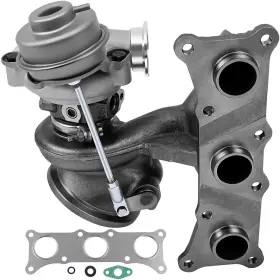
( Brand: Maxpower-carparts ), ( Manufacturer Part Number: 12316490 ), ( Fitment Type: Direct Replacement ), ( Type: Turbocharger ), ( Placement On Vehicle: Front ), ( Color: As Show ), ( Manufacturer Warranty: 1 Year ), ( Vintage Part: No ), ( Mounting Hardware Included: Yes ), ( Engine Code: N54, N54b30b/n55b30a/n54b30a, N54b30a, N54b30t ), ( Turbo Model: Td03l4-10tk3 ), ( Fuel: Gasoline ), ( Engine Type: Turbocharged ), ( Oe Spec Or Performance/custom: Oe Spec ), ( Note: Please Add Engine Oil Before Use ), ( Features: Individual ), ( Finish: Matte )
Review MAXPOWER CARPARTS New Left Driver Side Billet For Bmw 3.0l L6 Gas fits X6 Z4 TURBO 2008–2010
Introducing the Maxpower Carparts 12316490 Billet Turbocharger, a high-performance upgrade for BMW X6 and Z4 models equipped with the 3.0L L6 gas engine produced between 2008 and 2010. This advanced turbocharger system is designed to significantly improve power output, enhance engine responsiveness, and deliver an exhilarating driving experience.
Crafted from robust billet aluminum components, this turbocharger boasts excellent strength, durability, and thermal conductivity. The billet construction also offers superior cooling capabilities, essential for ultra-high power applications. The compressor wheel and turbine wheel are precisely engineered for optimal efficiency and flow to maximize power gains.
The Maxpower Carparts 12316490 Billet Turbocharger comes with a wastegate, enabling better boost control that prevents excessive pressure buildup in the engine. It also features an upgraded turbo housing that ensures a more efficient exhaust gas flow, contributing to better overall performance.
This turbocharger system is specifically calibrated for BMW X6 and Z4 vehicles, ensuring a seamless integration with your engine's existing systems. Additionally, appropriate gaskets, seals, and hardware are supplied with the kit to ensure a hassle-free installation process.
The Maxpower Carparts 12316490 Billet Turbocharger guarantees noticeable benefits for your BMW X6 or Z4. Expect impressive power gains, improved torque output, and enhanced engine performance, resulting in a more dynamic and thrilling driving experience. Upgrade your BMW today with this exceptional turbocharger, meticulously designed and tested to meet the highest standards for power, precision, and efficiency.
Maxpower Carparts 12316490 is a billet turbocharger designed for BMW X6 and Z4 models with a 3.0L L6 gas engine produced between 2008 and 2010.Here are the pros and cons of buying this turbocharger:
Pros:1. Increased Performance: A billet turbocharger offers improved performance, providing more power and torque, enhancing the acceleration and overall driving experience.
2. Better Durability: The use of billet material in the construction of the turbocharger ensures increased strength, maximizing the lifespan of the component.
3. High Flow: The increased flow capacity of a billet turbocharger can lead to better power efficiency and enhanced engine responsiveness.
4. Customizable: Billet turbochargers often offer a greater degree of customization to meet individual preferences and performance goals.
Cons:1. High Cost: A billet turbocharger is typically more expensive than stock or cast turbochargers due to the use of high-quality materials and manufacturing processes.
2. Complex Installation: The installation process for a billet turbocharger can be more complex than that of a stock turbo, requiring advanced mechanical knowledge or professional assistance.
3. Exhaust Gas Temperature (EGT): Depending on the specific configuration, a billet turbocharger may produce higher exhaust gas temperatures, which could negatively impact engine performance and longevity if not addressed appropriately.
4. Compatibility: Ensuring the proper compatibility of the turbocharger with the specific BMW model, engine, and other components is crucial for successful installation and optimal performance.
Conclusion:A billet turbocharger, such as the Maxpower Carparts 12316490, offers enhanced performance, strength, and efficiency for BMW X6 and Z4 models with the 3.0L L6 gas engine. However, this upgrade comes with a higher cost, complex installation, potential compatibility issues, and the risk of higher exhaust gas temperatures. Prospective buyers should carefully consider these factors, weighing the potential benefits against the investment and the level of expertise required for a successful installation. It is recommended to consult an experienced mechanic or performance specialist to ensure a well-executed upgrade process and to mitigate potential risks.
Details:
Final Checks. Mount the Turbo: Securely bolt new Turbocharger to exhaust manifold, following manufacturers recommended torque specifications. Fix any identified problems before installing the new Turbocharger to avoid further damage and ensure optimal performance. Address any underlying issues.
Repair or replace as needed. Before installing a new Turbocharger, diagnose any issues with the old Turbocharger and address hidden problems. Inspect the Old Turbo: Examine old Turbocharger for signs of wear, damage, or failure. Listen for any unusual noises and check leaks around connections.
Adjust as Needed: Make any necessary adjustments based on your observations. Verify Fitment: Make sure all connections are tight and check for any potential clearance issues with nearby components. New List Item. Install the Intake: Connect intake piping and ensure all clamps are tight.
Add Oil and Coolant: Refill oil coolant levels as needed. What is a Turbocharger. Fitment: 2011 BMW 1 Series M model's. Prime the oil system to ensure proper lubrication.
Check Oil Pressure: Ensure your oil pressure is within the recommended specifications. Check Oil and Coolant Lines: Ensure the oil coolant lines connected to old Turbocharger are clear free of blockages. Remove Turbo: Unbolt the Turbo from exhaust manifold and remove it vehicle. Install Gaskets: Use new gaskets for the Turbo and any other related connections.
Test and Adjust. Prepare for Installation. Connect Lines: Reattach the oil feed and return lines, as well coolant lines. Replace any damaged or clogged lines.
2007 - 2010 BMW 335 335i model's. Inspect for Obstructions: Ensure there are no obstructions in the exhaust or intake systems. 2009 - 2010 BMW 335 335i drive model's. Inspect the Exhaust Manifold: Look for cracks, leaks, or obstructions in exhaust manifold that could have contributed to old Turbochargers failure.
Remove the Old Turbocharger if replacing. Evaluate Engine Health: Assess the engines overall health, including injectors, combustion, and compression levels. Test for Boost Leaks: Conduct a boost leak test to identify and fix any leaks in the intake system. Replenish Fluids.
Look for Contamination: Check contamination in the oil and coolant systems, as well signs of metal shavings or carbon buildup. How to install a Turbocharger. Drain Oil and Coolant: Depending on your engine, drain the oil coolant as necessary. Check Mounting Points: Examine the mounting points for Turbocharger and exhaust system.
2008 - 2010 BMW 135i model's. Disconnect Lines: Remove the oil feed and return lines, coolant any other connections to existing Turbocharger. Ensure connections are secure and leak-free. Check Clearance.
Pay attention to boost pressure, engine temperature, and overall performance. Monitor Performance: Test drive the vehicle and monitor performance. Look for cracks, leaks, or excessive play in the turbine and compressor wheels.Pull old Turbo apart to check shaft bearings have some idea about why it failed. Start the Engine: engine and allow it to idle.
Inspect Mounting Points: Check the exhaust manifold and any other mounting points for damage or leaks. Check the inter cooler for leaks. It has similar functions to a supercharger, both of which can increase the air flow entering internal combustion engine or boiler, thereby improving efficiency machine. Avoid silicone on the Turbo oil flange and ensure gasket is correctly seated without blocking port.
Look for damage or wear that could affect the installation. Verify Sensor Functionality: Ensure sensors related to the Turbocharger such as boost sensors are functioning correctly. Recheck All Connections: After test driving, recheck all connections for tightness and leaks. Verify Intake and Inter cooler condition: Ensure the intake system inter cooler are free of debris or damage.
Tighten Bolts. Proper sealing is crucial. Install the New Turbocharger.
specifications turbiparts:
- for models: X6, Z4, Turbo
- for makes: Bmw
- for years: 2008-2010
- brand: Maxpower-carparts
- mpn: 12316490
- fitment type: Direct Replacement
- type: Turbocharger
- placement on vehicle: Front
- color: As Show
- manufacturer warranty: 1 Year
- vintage part: No
- mounting hardware included: Yes
- engine code: N54, N54b30b/n55b30a/n54b30a, N54b30a, N54b30t
- turbo model: Td03l4-10tk3
- fuel: Gasoline
- engine type: Turbocharged
- oe spec or performance/custom: Oe Spec
- note: Please Add Engine Oil Before Use
- features: Individual
- finish: Matte
shipping turbiparts:
- cost: $0.00
- class: Standard
- service: Standard
- transit: 4-11 Days
- type: Fixed
payments turbiparts:
- other
- wallet: Google-pay
- credit card: Diners-club
offer turbiparts:
- sold: 0
- best offers: True
- availability: In Stock
- quantity: 5
- started: December 19, 2024
- options: Ship-to-home
general turbiparts:
- condition: New
- Air Fuel Delivery > Turbos, Superchargers Intercoolers > Turbos Parts
returns turbiparts:
- policy: Returns Accepted
- paid by: Seller
- time: 30 Days
seller turbiparts:
- rating: 99.2%
- city: Ontario, California
- # reviews: 2253
Maxpower-carparts 12316490 Is Similar To:
- Maxpower-carparts 12316526 New Front Turbo Turbocharger For 2007-2013 Mazda 3 2.0 2.3l (54.9% similar) Start the engine: engine and allow it to idle. 2006 - 2007 Mazda 6/2 .3L 3.0L. Inspect the old turbo: examine old turbocharger for signs of wear, damage, or failure. Fitment: 2007 -2013 Mazda 3/2 .0L 2.3L 2.5L. How to install a turbocharger remove the old turbocharger if replacing...(December 18th, 2024)
- Maxpower-carparts 12343898 New Turbo For 2008-2014 Subaru Wrx Forester 2005-2008 Legacy Gt Td06 400 Hp (51.5% similar) Verify fitment: make sure all connections are tight and check for any potential clearance issues with nearby components. Before installing a new turbocharger, diagnose any issues with the old turbocharger and address hidden problems. Monitor performance: test drive the vehicle and monitor...(December 20th, 2024)
- Maxpower-carparts 12316533 New Front Left And Right Turbos For 2011-2012 Ford F-150 3.5l V6 Gas K03 (62.6% similar) Prepare for installation. Start the engine: engine and allow it to idle. Disconnect lines: remove the oil feed and return lines, coolant any other connections to existing turbocharger. Remove the old turbocharger if replacing. Proper sealing is crucial. Prime the oil system to ensure...(December 20th, 2024)
- Maxpower-carparts 12316481 Passenger Side Turbo For 2013-2015 Ford Explorer 2010-2015 Taurus Flex 3.5l V6 (53.7% similar) Add oil and coolant: refill oil coolant levels as needed. Replenish fluids. Check oil pressure: ensure your oil pressure is within the recommended specifications. Avoid silicone on the turbo oil flange and ensure gasket is correctly seated without blocking port. Address any underlying...(December 22nd, 2024)
- Maxpower-carparts 12476204 New Turbo For 1998 Cummins Truck Elite With 4bta Engine 2837303 2843653 90 Hp (42.8% similar) Before installing a new turbocharger, diagnose any issues with the old turbocharger and address hidden problems. What is a turbocharger. Mount the turbo: securely bolt new turbocharger to exhaust manifold, following manufacturers recommended torque specifications. Tighten bolts...(December 25th, 2024)
- Maxpower-carparts 12316479 New Right Turbocharger For 2011-2012 Ford F-150 3.5l Bl3e-9g438-va V6 Gas (57.1% similar) Add oil and coolant: refill oil coolant levels as needed. Adjust as needed: make any necessary adjustments based on your observations. Check oil pressure: ensure your oil pressure is within the recommended specifications. Recheck all connections: after test driving, recheck all connections for...(February 20th, 2025)
- Maxpower-carparts 12316527 New Engine Turbo T3 4 Bolt Universal For 1.5l-2.5l V-band Flange Up To 420hp (47.2% similar) Verify sensor functionality: ensure sensors related to the turbocharger such as boost sensors are functioning correctly. Mount the turbo: securely bolt new turbocharger to exhaust manifold, following manufacturers recommended torque specifications. Tighten bolts. Check the inter cooler for...(February 20th, 2025)
- Maxpower-carparts 12316417 Left Turbocharger For 2015-2017 Ford F150 2.7l Jt4e-6c879 164cu Inch V6 Gas (53.3% similar) Evaluate engine health: assess the engines overall health, including injectors, combustion, and compression levels. Ensure connections are secure and leak-free. Replace any damaged or clogged lines. Connect lines: reattach the oil feed and return lines, as well coolant lines...(March 26th, 2025)
- Maxpower-carparts 12316470 Engine Turbo Turbocharger For 2011-2017 Buick Regal 08-10 Chevy Cobalt Hhr 2.0l (48.5% similar) Look for damage or wear that could affect the installation. Pay attention to boost pressure, engine temperature, and overall performance. Test for boost leaks: conduct a boost leak test to identify and fix any leaks in the intake system. Repair or replace as needed. Avoid silicone on the...(March 27th, 2025)
- Maxpower-carparts 12316485 Turbo 736088-0003 For 2003-2006 Dodge Sprinter 2500 3500 2.7l L5 Diesel (46.4% similar) Final checks. Fix any identified problems before installing the new turbocharger to avoid further damage and ensure optimal performance. Mercedes-Benz sprinter I van 2.7L 316CDI 2004 year 156HP OM647 de la 27. Monitor performance: test drive the vehicle and monitor performance...(March 28th, 2025)
- Maxpower-carparts 12316513 Engine Turbo For Caterpillar 15l Twin Truck Low Pressure 550 C15 Acert Diesel (44% similar) What is a turbocharger. Drain oil and coolant: depending on your engine, drain the oil coolant as necessary. Look for contamination: check contamination in the oil and coolant systems, as well signs of metal shavings or carbon buildup. Verify fitment: make sure all connections are tight and...(April 28th, 2025)
