BMW 11657635803 Xdrive Engineturbo Wastegate Actuator N20 2.0L
fits model: 528i. make: Bmw. year: 2013.
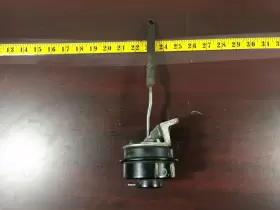
( Manufacturer Part Number: 11657635803 ), ( Type: Turbo Wastegate )
Review BMW Xdrive N20 2.0l Engineturbo Wastegate Actuator Oem fits 528I 2013
The BMW 11657635803 is a crucial component for the maintenance and optimal performance of the 2013 528i xDrive N20 0L engine, specifically the wastegate actuator. This component is an essential part of the turbocharger system, which helps improve engine performance and efficiency.
The BMW 2013 528i xDrive N20 0L engine turbocharger system works by compressing air that enters the engine, which then mixes with fuel to produce more power. The wastegate actuator plays a crucial role in this process by controlling the pressure build-up within the turbocharger. It does this by opening and closing a valve, allowing excess exhaust gases to bypass the turbocharger when the boost pressure exceeds a certain threshold.
The BMW 11657635803 wastegate actuator is a high-quality, OEM (Original Equipment Manufacturer) part, designed to meet the exact specifications and performance requirements of the 2013 528i xDrive N20 0L engine. It is made from durable materials, such as steel and rubber, to ensure longevity and reliability.
The wastegate actuator is a vital part of the turbocharger system, and any malfunction can lead to reduced engine performance, increased fuel consumption, and even engine damage. Symptoms of a failing wastegate actuator can include a lack of power, a whistling noise from the turbocharger, and a check engine light.
Replacing the wastegate actuator is a relatively straightforward task for a DIY mechanic, but it is essential to ensure that the correct part is used. The BMW 11657635803 is a direct replacement for the original wastegate actuator, and it comes with all necessary mounting hardware.
In conclusion, the BMW 11657635803 wastegate actuator is an essential component of the 2013 528i xDrive N20 0L engine turbocharger system. It helps maintain optimal engine performance and efficiency by controlling the pressure build-up within the turbocharger. This high-quality, OEM part is designed to meet the exact specifications of the engine and is an excellent choice for anyone looking to maintain or upgrade their 2013 528i xDrive N20 0L engine.
Pros of buying a 2013 BMW 528i xDrive with a N20 2.0L engine and turbo wastegate actuator:1. Reliability and performance: BMW is known for its high-quality engines and the N20 engine is no exception. The turbocharger can provide a responsive driving experience.
2. Luxury and comfort: BMW is renowned for its luxurious interiors and comfortable seating. The 528i provides a smooth ride and a high level of comfort for both driver and passengers.
3. Resale value: BMWs tend to hold their value well, especially when well-maintained.
Cons of buying a 2013 BMW 528i xDrive with a N20 2.0L engine and turbo wastegate actuator:1. Maintenance costs: BMWs can be expensive to maintain, especially if not serviced regularly. The turbocharger and wastegate actuator are parts that may require replacement over time.
2. Fuel consumption: The turbocharger can increase fuel consumption, especially in city driving.
3. Repair availability: While BMW has a large network of dealerships and independent repair shops, parts and labor costs can be high, especially for less common components like the wastegate actuator.
Conclusion:The 2013 BMW 528i xDrive with a N20 2.0L engine and turbo wastegate actuator offers a combination of reliability, luxury, and performance. However, potential buyers should be aware of the high maintenance costs and potential repair availability issues associated with this vehicle. If you are willing to invest in regular maintenance and are prepared for potential repair expenses, this could be a great car for you.
Recommendation:If you are considering purchasing a 2013 BMW 528i xDrive with a N20 2.0L engine and turbo wastegate actuator, we recommend getting a pre-purchase inspection to ensure the vehicle is in good condition and to identify any potential issues. Additionally, make sure to have a reliable mechanic or dealership perform routine maintenance and inspections to help prevent costly repairs in the future.
Details:
part #: 11657635803 prices
- $202.00-$242.67
specifications turbiparts:
- for models: 528i
- for makes: Bmw
- for years: 2013
- mpn: 11657635803
- type: Turbo Wastegate
returns turbiparts:
- policy: Returns Accepted
- paid by: Buyer
- time: 30 Days
offer turbiparts:
- best offers: True
- options: Ship-to-home
- started: May 15, 2024
- availability: In Stock
- sold: 0
- quantity: 1
seller turbiparts:
- rating: 98.7%
- # reviews: 202
- city: Fords, New Jersey
general turbiparts:
- Air Fuel Delivery > Turbos, Superchargers Intercoolers > Turbos Parts
- condition: Used
shipping turbiparts:
- transit: 3-8 Days
- cost: $0.00
- service: UPS Ground
- carrier: UPS
- type: Calculated
- class: Standard
payments turbiparts:
- credit card: Visa
- wallet: Paypal
Bmw 11657635803 Is Similar To:
- Bmw 7626350 07-10 Oem E90 E92 E93 N54 Turbo Charger Air Pressure Boost Solenoid Valve (29.8% similar) Complete front or rear suspension assemblies. And other oversized or heavy items. Transmissions. Exhaust systems. Model: 335XI E90 sedan. Doors, hoods, fenders. Engine: 3.0 N54 6 Cl. Core supports. Large body panels seats/interiors. Odometer: 161,315...(May 13th, 2024)
- Bmw 7612095 2013 528i Xdrive 2.0l Turbo Intercooler Hose Line Tube Oem (60% similar) Part #: bmw 7612095 for sale...(May 15th, 2024)
- Bmw 7593015 07-10 Oem E90 E92 E93 335i Turbo Turbocharger Pwg N54 Engine Set (31.6% similar) Model: bmw 335I. N54 engine only. Large items shipping. Stock number: #972. All parts come with a 30-DAY warranty...(May 15th, 2024)
- Hella 6nw010099 Bmw E90 E81 E87 E91 Turbocharger Actuator Motor 18-23 (34.5% similar) Genuine bmw E90 E91 E60 E61 330D 530D M57N2 turbo module actuator 6NW009228...(May 15th, 2024)
- Bmw 70088701 2006-2011 335i E90 3.0l I6 N54 Turbocharger Pressure Converter Valve Oem (37.3% similar) Paint code: platinum bronze. Please look at all pictures in full size. Does not guarantee part fitment. 3.0L turbo engine code: N54. Automatic transmission model. Comes as pictured. Donor vehicle information. Great condition. Actual picture of the part. 2008 bmw 335I E90 sedan...(May 15th, 2024)
- Bmw 7578687 2009 2012 7 Series F01 F02 750 Turbo Coolant Supply Pipe Line Oem (43.9% similar) Simply drop us a message with your car model and we'll quickly confirm the fitment. Orders placed before 0800 etc are dispatched on the same day...(May 16th, 2024)
- Bmw 13717629284 14-19 Oem F15 F16 X5 X6 Intercooler Charge Air Induction Tract Hose Intake (19.3% similar) Please look at pictures for details. Notes: intact. Please understand that being parts are used there may be some wear and tear scratches etc. Mpn: 7629284. Condition: used. It does not cover shipping or labor!, used condition items may have minor imperfections. Other engine components...(May 16th, 2024)
- Bmw 7643147 16-20 Oem F22 F30 F32 G30 340 540 Turbo Charger With Manifold B58 Ewg (29.3% similar) Oe/oem part number: 7643147. Notes: B58 engine. Unknown mileage. Please look at pictures for details. Condition: used. Mpn: 7643147. It does not cover shipping or labor!, used condition items may have minor imperfections. 30-DAY warranty. Please understand that being parts are...(May 16th, 2024)
- Bmw 11657588995 2011-2014 N55 3.0l Single Turbo Charger Manifold Assembly E82 E90 F30 Oem (47.3% similar) Whether you are replacing a damaged part or upgrading your vehicles engine, this bmw N55 3.0L single turbo charger manifold assembly is an excellent choice. Crafted with precision and attention to detail, this turbocharger manifold is made of durable materials built last, providing you a...(May 17th, 2024)
- Bmw 53365 2016 428i Turbo Turbocharger Oem 62k Miles Lkq387252623 (37.8% similar) Attention: stock photo shows multiple items. This is not a manufacturer part number, and can be disregarded. Important, here to see full part and important fitment information. Some turbos are side specific left or right...(May 17th, 2024)
- Bmw 11657605794 2013-2015 750i Xdrive 4.4l Turbo Turbocharger 7605794 (53.7% similar) Part fitment and compatibility. Please here to view details 2013 -2015 bmw 750I xdrive - 4.4L turbo / turbocharger 7605794: condition notes this part comes as shown in the picture...(May 18th, 2024)
