FACET 10.3012-BT Air Flow Sensor Base Gas Dohc 8012510008447 1.8L L4
fits model: Turbo, Quattro. make: Audi. year: 2006.
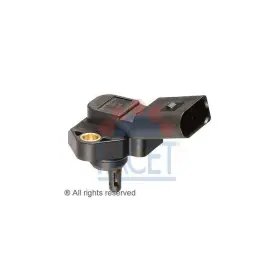
( Brand: Facet ), ( Manufacturer Part Number: 10.3012-BT ), ( Part Type: Flow Sensor ), ( Manufacturer Warranty: 1 Year ), ( Country Of Origin: Italy ), ( UPC: 012510008447 )
Review FACET Mass Air Flow Sensor For Audi Base 1.8l L4 Gas Dohc fits QUATTRO TURBO 2006
The Facet 10.3012-BT air flow sensor is a crucial component in the air management system of your 2006 Audi Quattro Base Turbo 1.8L L4 Gas DOHC engine. This sensor plays a vital role in maintaining optimal engine performance and fuel efficiency by continuously measuring the amount of air entering the engine and sending this data to the vehicle's engine control unit (ECU).
The Facet 10.3012-BT air flow sensor is designed specifically for the 2006 Audi Quattro Base Turbo model, ensuring a precise and accurate fit. It features a thermal time constant of 0.3 seconds, which allows it to respond quickly to changes in air flow, thereby facilitating efficient engine operation and improved drivability.
The sensor housing is made of high-quality, durable materials that can withstand the harsh conditions of the engine bay. Its integrated heating element ensures that the sensor maintains a consistent temperature, allowing it to function optimally in both cold and hot weather conditions.
The Facet 10.3012-BT air flow sensor is equipped with a built-in temperature sensor that provides real-time information on the sensor's temperature to the ECU. This data helps the ECU adjust fuel injection and ignition timing, ensuring that the engine runs efficiently and smoothly.
The sensor uses a 5-wire connection, making it easy to install and connect to the wiring harness on your Audi Quattro Base Turbo. It is important to note that the sensor requires a compatible ECU to function properly. If you are unsure about the compatibility of this sensor with your specific vehicle, it is recommended that you consult with a qualified mechanic or Audi dealership before installation.
In summary, the Facet 10.3012-BT air flow sensor is a crucial component of your 2006 Audi Quattro Base Turbo's engine management system. Its quick response time, durability, and ease of installation make it an excellent choice for maintaining optimal engine performance and fuel efficiency.
Buying a facet 10.3012-BT air flow sensor for a 2006 Audi Quattro base turbo 1.8L L4 gas DOHC engine can have several advantages and disadvantages. Here are some potential pros and cons to consider:
Pros:1. Improved Fuel Efficiency: A faulty air flow sensor can cause the engine to consume more fuel than necessary. Replacing the faulty sensor with a new one can help improve fuel efficiency.
2. Better Engine Performance: An accurate air flow sensor reading can help the engine deliver optimal power and torque, improving overall engine performance.
3. Reduced Emissions: A faulty air flow sensor can result in increased emissions. Replacing the sensor can help reduce emissions and improve the car's overall environmental friendliness.
4. Faster Engine Response: A new air flow sensor can help the engine respond more quickly to changes in driving conditions, resulting in a smoother and more responsive driving experience.
5. Long-Term Cost Savings: Replacing a faulty air flow sensor with a new one can help save money in the long run by preventing potential engine damage and reducing fuel consumption.
Cons:1. Cost: The cost of purchasing and installing a new air flow sensor can be a significant expense for some car owners, especially if they choose to have it installed at a repair shop.
2. Installation Complexity: Installing an air flow sensor can be a complex process that requires specialized tools and knowledge. Car owners who are not mechanically inclined may prefer to have it installed by a professional.
3. Potential for False Readings: A new air flow sensor may not always provide accurate readings immediately. It may take some time and adjustment for the sensor to calibrate correctly, resulting in potential false readings and potential for further diagnostic work.
Conclusion:In conclusion, replacing a faulty air flow sensor with a new one can offer several advantages, including improved fuel efficiency, better engine performance, reduced emissions, faster engine response, and long-term cost savings. However, the cost and installation complexity of the new sensor may be a disadvantage for some car owners. Ultimately, the decision to purchase and install a new air flow sensor depends on the individual's budget, mechanical skills, and driving needs. If the sensor is causing significant issues with the car's performance or fuel efficiency, then it may be worth the investment to improve the overall driving experience and prevent potential engine damage.
Details:
1.4927-AA-AA FREE SHIPPING. ABOUT THE BRAND: Facet is the leading European Aftermarket Part manufacturer for engine management components and thermostats Audi, Volkswagen, BMW, Mercedes many others car manufacturers.
part #: 103012 prices
- $63.58-$78.14
specifications turbiparts:
- for models: Turbo, Quattro
- for makes: Audi
- for years: 2006
- brand: Facet
- mpn: 10.3012-bt
- part type: Flow Sensor
- manufacturer warranty: 1 Year
- country of origin: Italy
- upc: 012510008447
shipping turbiparts:
- service: UPS Ground
- transit: 3-8 Days
- class: Standard
- type: Fixed
- cost: $0.00
- carrier: UPS
general turbiparts:
- Air Fuel Delivery > Turbos, Superchargers Intercoolers > Turbos Parts
- condition: New
payments turbiparts:
- credit card: Diners-club
- wallet: Paypal
- other
seller turbiparts:
- # reviews: 519
- rating: 98.4%
- city: Ledgewood, New Jersey
offer turbiparts:
- sold: 0
- quantity: 2
- availability: In Stock
- started: March 4, 2025
- options: Ship-to-home
returns turbiparts:
- policy: Returns Accepted
- paid by: Buyer
- time: 30 Days
Facet 10.3012 Is Similar To:
- Facet 10.3178 For Hyundai kia 2011-2016 Manifold Absolute Pressure Sensor Warranty (36% similar) Drive assured: your source for authentic car parts. Manufacturer number: #10.3178. Made by: Facet. Brand new part with full 1 year warranty.: turbos parts. Authenticity guaranteed. For Hyundai/KIA 2011 -2016 manifold absolute pressure sensor Facet 1 year warranty...(January 19th, 2025)
- Facet 10.3245 Turbocharger Boost Sensor-ss (37.9% similar) No compromise in quality: while the market is being flooded with low cost Asian product, we feel that oem quality still most important feature to bring. This part fits vehicles made in the followings 2007 ,2008,2009,2010. This is validated by buyer preference surveys which always...(January 15th, 2026)
